24/7 Phone Services
Mon - Sat 8:00 - 17:30, Sunday

-
-
Visit Our Place
Alberta 11209, Canada
Preloader Close

Introduction:
A Master Electrician is not only an expert in designing, installing, and maintaining electrical systems but also possesses in-depth knowledge of safety standards, technical regulations and the latest advancements in electrical technology. Electricians work with a wide range of systems, from industrial facilities to residential and commercial buildings and their expertise goes far beyond simple wiring and repairs. Contrary to popular belief, success in this field is not solely dependent on technical skills—soft skills such as project management, problem-solving, and teamwork is equally essential.
Becoming a professional electrician requires more than just obtaining the necessary licenses and certifications; hands-on experience plays a crucial role as well. Familiarity with safety standards, compliance with installation and maintenance regulations, and the ability to assess client needs are all key factors in selecting a skilled electrician. In this article, we will explore the essential qualifications and attributes of a master electrician, helping you make an informed and confident choice for your electrical needs.

What Are the Key Traits of a Successful Electrician?
To succeed as an electrician, you need an analytical mindset and must possess certain traits that are essential for success in this profession. In the following, we will discuss several key qualities that contribute to thriving in this field:
Credentials Matter
Licensed Professionals: The first step in choosing a professional electrician is ensuring that they are properly licensed. A valid license serves as proof of their expertise and adherence to industry standards.

Insurance Coverage: No one is immune to accidents, even the most skilled electricians. To safeguard yourself, it’s essential to choose an electrician with comprehensive insurance coverage. This guarantees financial protection against any unexpected damages or injuries, giving you confidence and peace of mind as your project moves forward.

Project Management: Strong project management skills have a significant positive impact on an electrical engineer’s earning potential. Engineers who excel in this area often earn above the industry average, making it a crucial skill, especially for those aiming for senior positions. In leadership roles, electrical engineers may oversee junior professionals or manage teams on specialized projects, where effective coordination and strategic planning are essential for success.
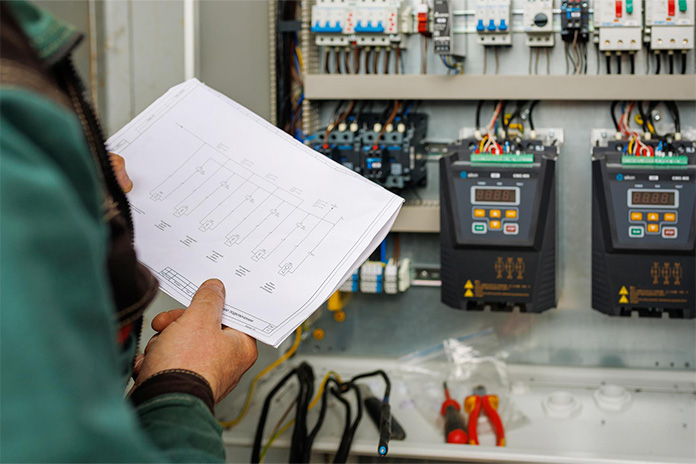
Versatile Expertise: Electrical projects range from simple home installations to intricate commercial systems. It’s essential to find an electrician with a broad skill set tailored to your specific needs.
Focused Specialties: Many electricians focus on particular fields, such as energy-efficient solutions or smart home automation. Understanding your project’s requirements helps in selecting a specialist whose expertise matches your objectives.
Engineering Design: Engineering design is a problem-solving approach that engineers use to analyze and resolve technical challenges. While it may not have a significant impact on salary, it remains a fundamental skill for electrical engineers. This process involves identifying issues, conducting in-depth analysis, and developing practical solutions to address them effectively.
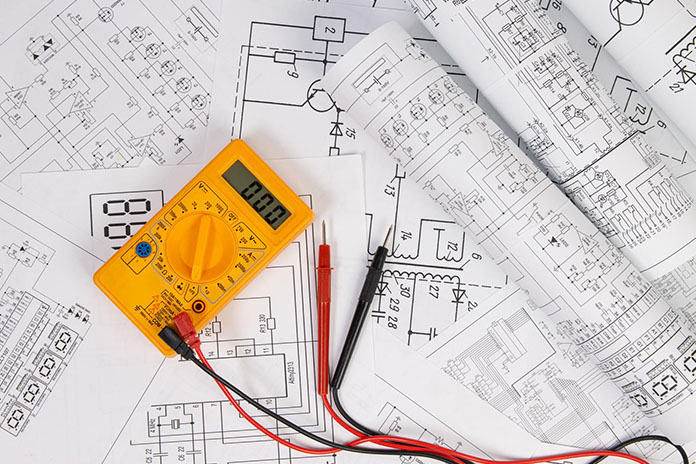
In-Depth Knowledge of Electrical Systems: Electrical engineers typically acquire their foundational knowledge in college, but with the rapid evolution of technology, continuous learning is essential. Staying updated with industry advancements enables them to adapt to new developments and implement the most efficient solutions in their field.
Communication Skills: A skilled electrician must be able to communicate effectively with clients, colleagues, and other members of the project team. Explaining technical concepts in simple terms, providing clear reports, and understanding customer needs are essential aspects of this skill. Strong communication not only helps prevent costly mistakes but also enhances teamwork and improves customer satisfaction.

Data Analysis: With electrical systems becoming more complex than ever, the ability to analyze data is crucial. A Master Electrician must assess energy consumption, equipment performance, and other technical indicators to develop the best solutions. The ability to interpret electrical data and utilize analytical tools allows electricians to optimize system efficiency and identify potential issues before they lead to major failures.
Familiarity with the Construction Industry: Since electrical systems are an integral part of building infrastructure, having a solid understanding of the construction industry is essential for electricians. Knowledge of safety codes, installation standards, and the integration of electrical systems into building projects enables professionals to perform their work safely, efficiently, and in compliance with regulations. This expertise is particularly valuable in commercial and industrial projects that require coordination with other construction teams.
Reputation and Customer Feedback
Client Experiences: In today’s digital world, word-of-mouth remains a powerful influence. Reviewing client feedback and testimonials can provide valuable insights into an electrician’s reputation.

Digital Presence: An electrician’s online footprint serves as a modern resume. Explore their website, browse their social media channels, and assess online reviews to gain a better understanding of their expertise.
Clear and Honest Pricing
Comprehensive Estimates: Knowing the full cost upfront is crucial to avoiding unexpected charges. A trustworthy electrician provides a well-detailed estimate, outlining expenses for materials, labor, and any extra fees.
Maximizing Value: While budget considerations are important, the focus should be on overall value rather than simply choosing the lowest price. A skilled electrician may charge slightly more initially, but the investment pays off in terms of safety, durability, and long-term reliability.

Evaluating the Cost of Hiring a Master Electrician
To make an informed decision, it’s essential to analyze the cost structure carefully:
- Itemized Quotes: Always request a breakdown of all costs, including materials, labor, and potential additional fees.
- Price Comparisons: Gathering estimates from multiple Master Electricians helps ensure you’re receiving fair and competitive pricing.
- Transparent Pricing: A reliable electrician maintains clarity in their pricing, avoiding hidden fees and providing straightforward cost explanations.
Passion for Continuous Learning: Learning doesn’t stop with earning a degree; in fact, it marks the beginning of an ongoing educational journey. For electrical engineers, staying updated is a necessity rather than a choice. Given the rapid advancements and fierce competition in this field, professionals must continuously expand their knowledge to keep up with industry trends. Moreover, the ability to quickly grasp new concepts is highly valued by top employers, making lifelong learning an essential component of career growth.

Numerical Proficiency: A common challenge for electrical engineering students is the need for strong mathematical skills. Success in this field requires a solid foundation in mathematics, making it crucial to focus on subjects like calculus and algebra during school years. Additionally, selecting math-intensive courses at the university level can significantly enhance analytical capabilities and problem-solving efficiency.
Creative Thinking: Engineers are not just problem-solvers; they are innovators. Whether designing large-scale solutions or small improvements, their contributions shape the way people live and interact with technology. To excel in this profession, thinking outside the box is essential. This is particularly relevant in the corporate sector, where major tech companies constantly compete to develop groundbreaking innovations. While technical expertise is valuable, the ability to explore new possibilities and approach challenges with creativity is what truly sets a successful engineer apart.
Safety Protocols in Electrical Projects
Maintaining safety standards throughout electrical work is critical. Here are some essential safety protocols:
Compliance with Standards and Guidelines: A proficient Master Electrician ensures all installations comply with local electrical codes and safety guidelines to guarantee secure and proper setups.

Protective Equipment: It’s vital for electricians and their teams to always wear necessary protective gear to reduce the likelihood of accidents and injuries on the job.
Emergency Response Plans: An experienced Master Electrician will have clear emergency response procedures in place to manage unforeseen circumstances, always prioritizing safety for all parties involved.
Selecting the right electrician plays a significant role in ensuring both the safety and efficiency of your electrical systems. By choosing licensed experts with diverse expertise, verified client reviews, and clear pricing, you’re setting up for a successful and safe electrical project.
conclusion
Selecting a skilled and experienced Master Electrician can have a significant impact on the safety and quality of your electrical projects. Key factors to consider include a broad skill set, strong communication abilities, data analysis skills, and adherence to safety standards. Additionally, ensuring transparent pricing and positive client testimonials can guide you in making an informed decision. By choosing a licensed electrician committed to industry standards, you can ensure a safe and successful project, while also benefiting from their expertise in future endeavors.
Leave A Comment