24/7 Phone Services
Mon - Sat 8:00 - 17:30, Sunday

-
-
Visit Our Place
Alberta 11209, Canada
Preloader Close

Power distribution plays a crucial role in ensuring a continuous and reliable supply of electricity to homes, businesses and industrial facilities. It involves the complex process of delivering electrical power from substations to end-users through a network of power lines, transformers and distribution panels. Understanding how power distribution works is essential for homeowners, business owners, and professionals in the electrical industry alike.
In this guide, we will dive into the key components of power distribution systems. We’ll explore how these elements work together to ensure efficient and safe electricity delivery. This article will give you a comprehensive overview and its vital role in modern society.
Key Components of Power Distribution Systems
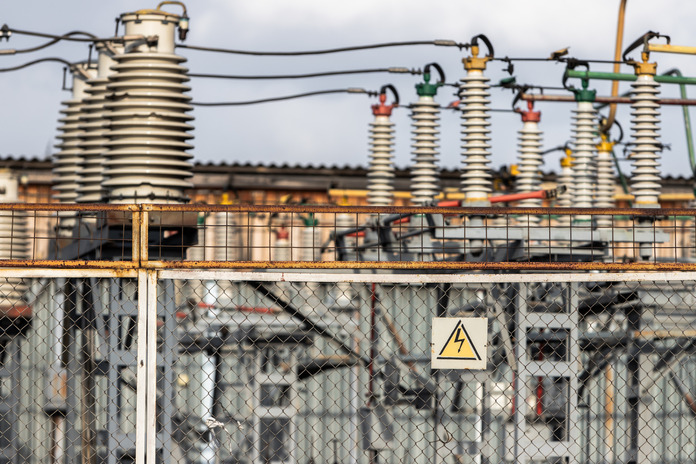
Power distribution has got systems that are made up of several critical components that work together to ensure a safe and reliable electricity supply. Understanding these key elements is essential for anyone interested in how electricity reaches homes and businesses.
- Power Distribution Transformers: These transformers reduce high-voltage electricity from transmission lines to lower, safe voltages suitable for residential and commercial use. They play a pivotal role in stepping down power for local distribution.
- Substations: Substations act as key hubs in power distribution. They receive electricity from transmission lines and distribute it to local grids. Substations also control the voltage levels and regulate the flow of electricity to ensure stability.
- Distribution Panels: Distribution panels are the central hubs in buildings where electrical circuits are controlled. They divide the power supply into different circuits, providing power to various areas within a building, from lights to heavy machinery.
- Circuit Breakers: These safety devices are vital in protecting electrical circuits from overloads or short circuits. When there’s a fault, circuit breakers automatically disconnect the power to prevent potential hazards like fires or electrical damage.
- Power Lines and Cables: Power lines and cables are the physical medium that carries electricity from substations to end users. These lines can be overhead or underground and vary in size and capacity, depending on the distance and amount of power being transmitted.
- Electric Meters: Electric meters are installed in homes and businesses to track energy usage. These devices measure the amount of electricity consumed, allowing utilities to bill customers accurately and monitor the health of the distribution system.
- Switchgear: Switchgear controls, protects, and isolates electrical equipment to ensure proper functioning of the distribution network. This component plays a crucial role in preventing faults and minimizing the impact of outages.
These components work together to ensure that electricity is distributed efficiently, safely, and reliably to all users, from residential homes to industrial facilities.
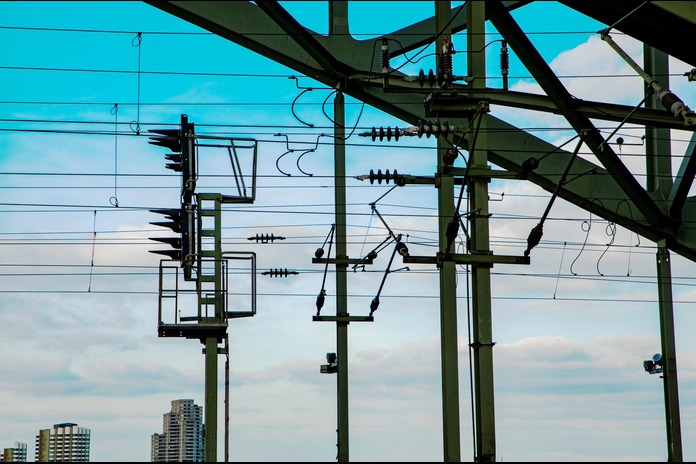
The Role of Power Distribution Panels
panels are essential components in electrical systems, acting as the main control hub for distributing electricity throughout a building or facility. Here’s why they are so important:
- Dividing Power Across Circuits: panels take the incoming electrical supply and divide it into various circuits, allowing electricity to flow to different areas of the building. Whether it’s lighting, heating, or powering machinery, these panels ensure that every part of the building gets the electricity it needs.
- Providing Circuit Protection: These panels house circuit breakers or fuses, which serve as safety devices to protect your electrical system from overloads and short circuits. If a problem arises, the circuit breaker automatically shuts off the electricity flow, preventing potential hazards like fires or electrical damage.
- Voltage Control and Distribution: They are designed to manage and control the voltage levels coming into your building. They help maintain consistent power flow, ensuring that all electrical appliances and systems function properly and efficiently.
- Upgrading and Customization: Depending on your building’s needs, power distribution panels can be upgraded or customized. For example, they can be designed to handle more circuits or larger electrical loads, accommodating additional appliances or machinery as needed.
- Ensuring Code Compliance: Properly installed and maintained power distribution panels ensure that your electrical system complies with local electrical codes and regulations. This is important not only for safety but also for passing inspections and avoiding potential fines or issues when selling a property.
- Facilitating Maintenance and Troubleshooting: Power distribution panels provide easy access for maintenance and troubleshooting. By organizing and labeling circuits, they help electricians quickly identify and address issues, saving time and reducing downtime in case of electrical problems.
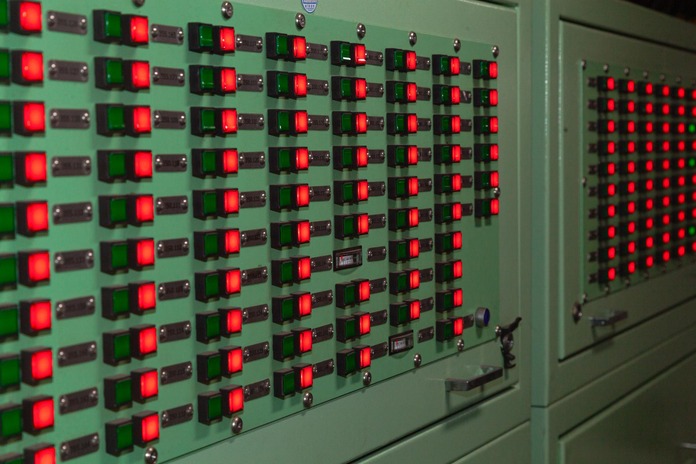
Transformers and Their Function in Power Distribution
Transformers play a crucial role in power distribution systems by adjusting voltage levels to ensure efficient transmission of electricity. These devices either step up or step-down voltage depending on the needs of the specific part of the distribution network. In a typical system, transformers enable electricity to travel long distances with minimal loss of energy. At the end-user level, they ensure that electrical appliances and equipment receive the correct voltage to operate safely.
For example, in residential areas, transformers reduce high-voltage electricity to a lower, usable level for homes. In industrial settings, larger transformers manage higher energy requirements. The reliability and efficiency of power distribution networks depend heavily on transformers, making them indispensable to modern electricity infrastructure.
By ensuring voltage is appropriately regulated, transformers not only protect electrical equipment but also play a key role in maintaining overall system stability, reducing energy loss, and improving the reliability of power distribution.
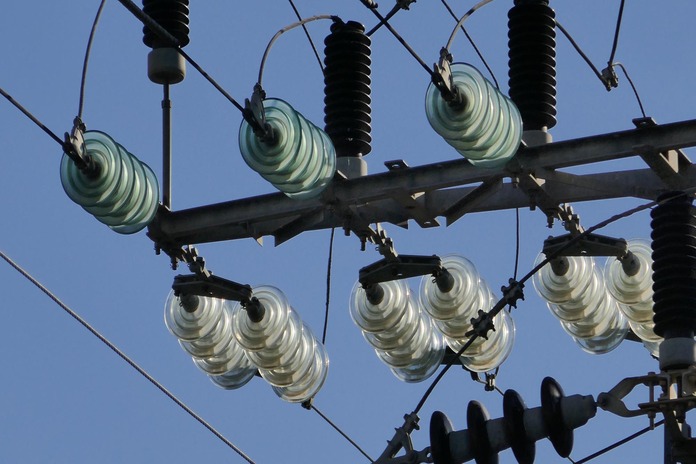
Power Distribution in Cities and Industrial Areas
Power distribution in cities and industrial areas is more complex than in residential zones due to the high demand and the need for efficient, reliable energy delivery. In urban settings, power distribution systems must handle the large-scale transmission of electricity to a vast number of consumers, including homes, businesses, and public services. This requires sophisticated infrastructure to ensure that power reaches every part of the city without interruptions.
In industrial areas, power distribution systems must support heavy machinery and high-energy demand. These areas often require customized solutions, including larger transformers, specialized circuits, and backup power systems to ensure uninterrupted operation. Industrial power distribution networks are designed to accommodate fluctuations in energy demand and provide constant, stable voltage to critical operations.
Both cities and industrial areas rely on well-maintained power distribution networks to avoid power outages, reduce energy loss, and support the continued growth of the economy. The effective management of these systems is essential for ensuring the safety, productivity, and sustainability of urban and industrial environments.
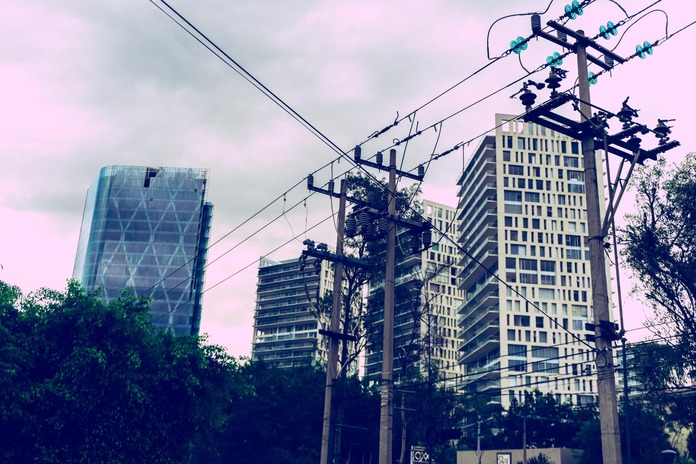
Ensuring Safety in Power Distribution
Safety is a top priority in distribution systems. Electrical faults can lead to fires, electrocution, and equipment damage. To reduce these risks, engineers design systems with built-in protective mechanisms that ensure safety and maintain grid stability.
Electricians rely on circuit breakers and fuses as key safety components. These devices automatically shut off power during overloads or short circuits. This prevents overheating and reduces the chance of fires. Proper grounding also helps prevent electrical shocks and protects both equipment and personnel.
Regular inspections and maintenance are essential. Technicians check all components to ensure proper function. They quickly address issues like damaged wiring or faulty transformers. In addition, contractors follow strict safety protocols and industry standards set by regulatory bodies.
By prioritizing safety in distribution, we minimize accidents, reduce downtime, and maintain a stable energy supply for homes, businesses, and industrial zones.
Conclusion
Power distribution is essential for delivering electricity safely and efficiently. By understanding the key components, such as panels and transformers, you can ensure your systems are reliable and safe. Regular inspections and proper maintenance play a crucial role in preventing outages and hazards.
For a safer and more efficient power distribution system, make sure to stay proactive with maintenance and inspections. If you’re looking for expert power distribution solutions, contact us today!
Leave A Comment