24/7 Phone Services
Mon - Sat 8:00 - 17:30, Sunday

-
-
Visit Our Place
Alberta 11209, Canada
Preloader Close

Dealing with electrical issues can be stressful, especially when you’re not sure if it’s something minor or a serious hazard waiting to happen. While some problems might seem harmless at first, they can escalate quickly — which is why it’s important to know when to call an electrical contractor for professional help.
In this article, we’ll highlight the top five warning signs that signal it’s time to bring in a licensed expert. Whether you’re a homeowner or managing a commercial space, understanding these red flags can save you from bigger headaches, costly repairs, and potential safety risks down the line.

What Is an Electrical Contractor?
An electrical contractor is a trained and licensed professional responsible for working with electrical systems in residential, commercial, or industrial environments. Their primary role is to design, install, and maintain electrical infrastructure — including wiring, lighting, power distribution, and safety systems. Electrical contractors are generally categorized into three main types:
-
Residential Electrical Contractors
These contractors specialize in working on houses, apartments, and other private living spaces. Their work includes installing lighting fixtures, upgrading panels, rewiring homes, or troubleshooting household power issues. If you’re renovating your kitchen or building a new home, a residential contractor is the one to call.

-
Commercial Electrical Contractors
Commercial contractors focus on businesses, office buildings, retail stores, and public facilities. Their projects are usually larger in scale and complexity. They install systems that can handle heavier loads, emergency backup systems, lighting grids, and complex controls. They are also familiar with codes and regulations specific to commercial environments.

-
Industrial Electrical Contractors
Industrial contractors deal with manufacturing plants, factories, and high-powered equipment. These jobs often involve heavy-duty machinery, control systems, and compliance with strict safety protocols. They’re trained to handle high-voltage systems and ensure everything runs efficiently in demanding environments.
Choosing the right electrical contractor depends entirely on the type and scale of your project. A residential electrician may not have the expertise to handle a commercial installation, and an industrial specialist won’t typically take on a home renovation. Understanding the distinction helps ensure that the work is performed safely, effectively, and in line with all applicable codes.
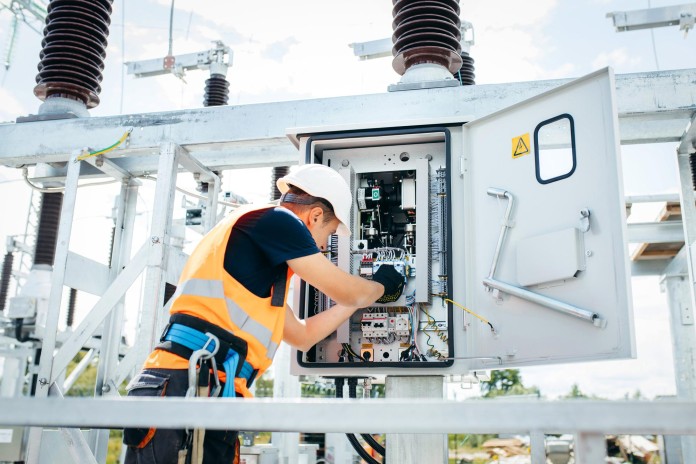
When Do You Need to Call an Electrical Contractor?
Not every electrical issue demands emergency attention, but some signs should never be ignored. Whether you’re living in an older home or managing a growing business, knowing when to contact a licensed electrical contractor can help prevent major damage, reduce safety risks, and keep your systems running smoothly. Below are five common scenarios that often require the skills of a professional — along with explanations of what the issues mean and who can help.
1. Flickering or Dimming Lights
Lights that flicker occasionally might seem harmless, but when it happens regularly — especially when turning on large appliances — it could mean there’s a deeper problem in your electrical system. This issue often results from overloaded circuits, unstable voltage, or loose wiring connections behind your walls.
These problems tend to occur more frequently in older properties where the electrical infrastructure hasn’t been updated. If you’re noticing this pattern in multiple rooms or throughout the home, it’s important to have your system evaluated. A residential electrical contractor can inspect the wiring and circuit loads to determine whether a panel upgrade or rewiring is necessary.

2. Circuit Breaker Keeps Tripping
A circuit breaker is designed to protect your system from overloads by shutting off the power when needed. However, if it trips repeatedly — especially when using certain devices — it’s not something to ignore. This often signals that your system is drawing more power than it can handle, or that there’s a short circuit or damaged wire.
This can happen in homes with new appliances or in businesses that have added extra equipment. If the issue recurs, it’s wise to have a contractor perform a full inspection of the breaker panel and the affected circuits. Catching the problem early can help avoid permanent damage or fire hazards.
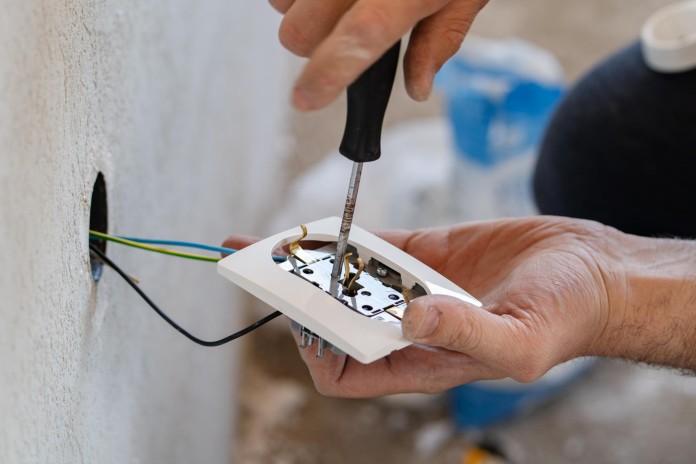
3. Burning Smell or Discolored Outlets
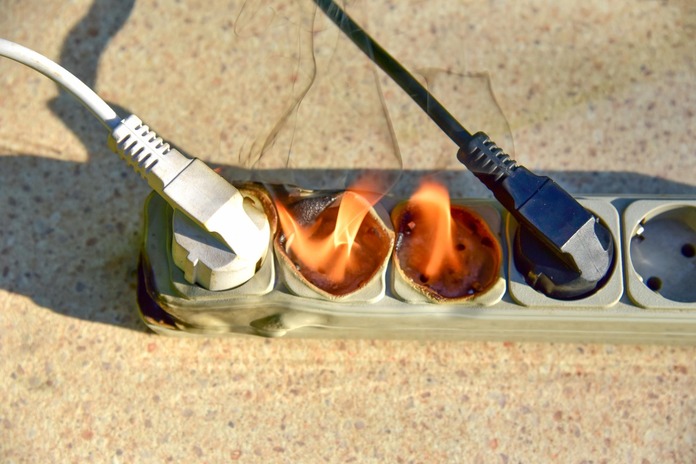
If you notice a burning smell coming from an outlet or see scorch marks around a plug or switch, that’s a strong indicator of overheating. This can occur when wires are loose, frayed, or improperly installed — and the result is a serious fire risk.
These signs almost always require immediate intervention. A licensed contractor can safely disconnect the affected circuit, open the wall to check the wiring, and replace any damaged parts. In most cases, this issue demands urgent inspection to make sure there’s no hidden damage behind the surface.
4. Outdated Electrical Panel
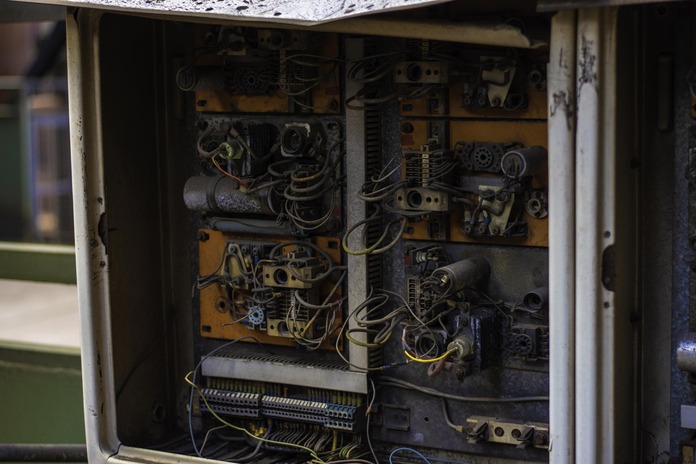
Electrical panels aren’t built to last forever. If your home still uses an older panel with fuses or lacks the capacity for today’s power demands, it may be time for an upgrade. Common warning signs include buzzing from the panel, a warm surface, or frequent tripping of breakers.
This situation often arises in homes that haven’t had their electrical systems updated in decades, or in commercial buildings that have added more power-hungry equipment. If the panel is more than 25–30 years old, an inspection is strongly recommended to assess its condition and determine whether a modern upgrade is necessary. A residential, commercial, or industrial electrical contractor can guide you depending on your type of property.
5. Major Renovations or New Installations
Planning to renovate your kitchen, add a new room, or install a hot tub or EV charger? These types of changes require new wiring, additional breakers, and often new outlets or lighting fixtures. Any modification to your electrical system should follow local codes — and usually needs permitting and inspection.
While the temptation to DIY may be strong, only a licensed electrical contractor can ensure that your renovation is compliant and safe. Residential contractors handle most home updates, while commercial or industrial contractors are suited for larger-scale electrical builds.

The Importance of Hiring a Licensed Pro in Edmonton
When it comes to electrical issues, it’s not just about fixing a broken switch or replacing an outlet — it’s about ensuring safety, reliability, and peace of mind. Ignoring small warning signs, like flickering lights or occasional tripped breakers, may seem harmless at first, but these minor issues can quickly lead to serious hazards if left unchecked. That’s why it’s crucial to consult with a qualified electrical contractor at the first sign of trouble.
A licensed professional brings both technical expertise and a deep understanding of local codes and safety standards. Whether you’re dealing with a faulty outlet at home, a buzzing panel in your office, or planning a major renovation, getting help from the right person ensures the job is done correctly and legally. In many cases, a professional inspection can reveal underlying problems that might not be visible to the untrained eye — problems that, if ignored, could result in electrical fires, property damage, or safety risks to your family or staff.
Safety is important no matter where you are — whether it’s your home, a commercial property, or an industrial site. And since each type of project or issue may require a different kind of expertise, it’s important to reach out to a contractor who specializes in the area you’re dealing with. A residential contractor may be perfect for home rewiring, while a commercial or industrial expert is better equipped to handle complex systems and larger-scale installations.
Hiring a licensed pro in Edmonton is more than just a smart move — it’s often the safest and most efficient way to resolve electrical issues correctly. If you’re unsure about a specific problem or just want expert advice before making a decision, you can always consult with a certified electrical contractor in Edmonton who understands the local standards and can guide you toward the best solution for your needs.
Conclusion
Electrical issues such as flickering lights, frequent breaker trips, burning smells, or outdated electrical panels are clear signs that it’s time to call a professional electrical contractor. These problems often indicate serious underlying issues like overloaded circuits, faulty or aging wiring, and potential fire hazards that, if left unchecked, can lead to significant damage and safety risks.
In this article, we explained how different types of electrical contractors—whether residential, commercial, or industrial—are best suited to handle specific problems. We also emphasized the importance of hiring a licensed and certified professional to ensure quality work while complying with local safety regulations.
Our recommendation is that whenever you notice any of these warning signs or plan to undertake electrical projects, you should seek advice from a qualified expert and entrust the work to a skilled professional. Doing so will help guarantee the safety and proper functioning of your building’s electrical system.
Leave A Comment