24/7 Phone Services
Mon - Sat 8:00 - 17:30, Sunday

-
-
Visit Our Place
Alberta 11209, Canada
Preloader Close

Introduction
An electrical inspection involves a professional electrician evaluating a home’s electrical system to ensure it meets safety standards and operates efficiently. This article explores the importance of regular electrical inspections, their benefits, the potential risks of neglecting them, and how often homeowners should schedule them.
Why is Electrical Inspection Important?
Electrical systems degrade over time due to various factors, including wear and tear, outdated components, environmental exposure, and improper modifications. Regular inspections help identify potential hazards before they become serious problems.
- Preventing Electrical Fires
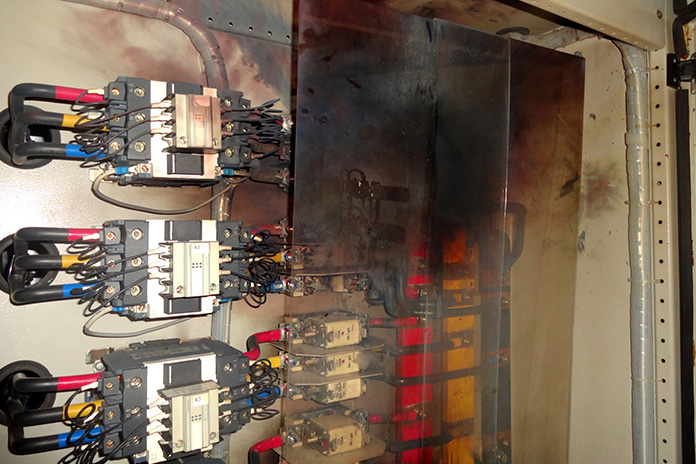
According to the U.S. Fire Administration, electrical malfunctions are a leading cause of house fires. Worn-out wiring, overloaded circuits, and faulty connections can generate heat, leading to fires. An electrical inspection can detect these issues early, preventing disasters.
- Ensuring Code Compliance
Electrical codes are updated periodically to improve safety and efficiency. An inspection ensures that your home’s electrical system meets the latest standards set by the National Electrical Code (NEC) and local building regulations.
- Reducing the Risk of Electrocution
Faulty wiring, improper grounding, and outdated electrical panels increase the risk of electrocution. Inspections help identify these hazards and ensure your home’s electrical system is properly grounded and insulated.
- Protecting Home Appliances and Electronics
Voltage fluctuations and power surges can damage sensitive electronics and appliances. Regular inspections help identify problems such as faulty wiring or inadequate surge protection, reducing the risk of appliance damage.
- Increasing Energy Efficiency
Old or faulty electrical components can waste energy. During an inspection, electricians can recommend energy-efficient upgrades, such as LED lighting, modern circuit breakers, and energy-saving outlets.
- Enhancing Home Value and Marketability
A well-maintained electrical system adds value to a home. If you’re planning to sell your property, a recent electrical inspection can reassure potential buyers that the home is safe and up to code.
When Should Homeowners Schedule an Electrical Inspection?
While there is no universal rule for how often electrical inspection should occur, certain situations require immediate attention.
- Before Purchasing or Selling a Home
An electrical inspection is crucial before buying a home to ensure the system is safe and up to code. Sellers can also benefit by addressing any electrical issues before listing their home.
- After a Major Storm or Natural Disaster
Lightning strikes, floods, and high winds can damage electrical systems. If your home has been affected by severe weather, an inspection is necessary to check for hidden damage.
- If Your Home is Over 25 Years Old
Older homes often have outdated wiring and electrical panels that may not handle modern power demands. If your home is over 25 years old and hasn’t had an inspection in recent years, it’s time to schedule one.
- If You Notice Warning Signs of Electrical Problems
Several signs indicate that your electrical system may need immediate attention, including:
- Frequent circuit breaker trips
- Flickering or dimming lights
- Buzzing or crackling sounds from outlets or switches
- Warm or discolored outlets and switch plates
- Burning smells near electrical outlets
- Shock or tingling sensations when touching appliances
- After Home Renovations or Adding New Appliances
Adding new appliances or remodeling your home can strain the existing electrical system. An inspection ensures that your system can handle the increased load safely.
What Happens During an Electrical Inspection?
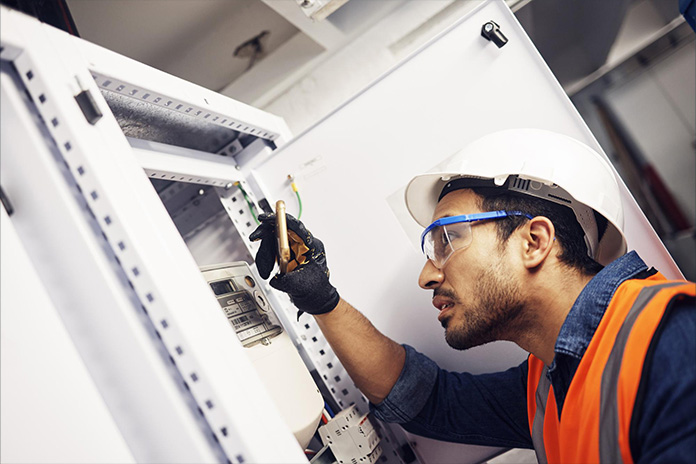
A licensed electrician conducts a thorough evaluation of the home’s electrical components. A typical inspection includes:
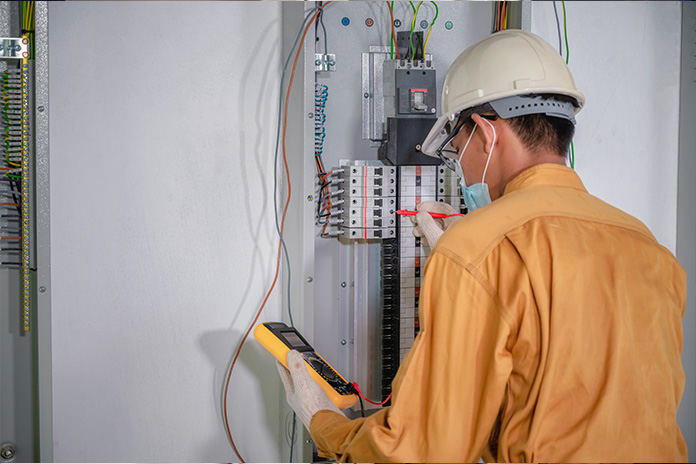
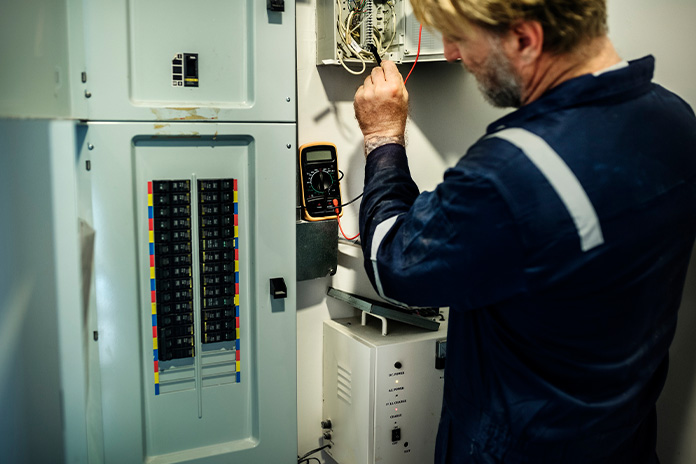
- Checking the Electrical Panel
The electrician will inspect the circuit breaker panel for proper labeling, grounding, and signs of wear or overheating. They may recommend an upgrade if the panel is outdated.
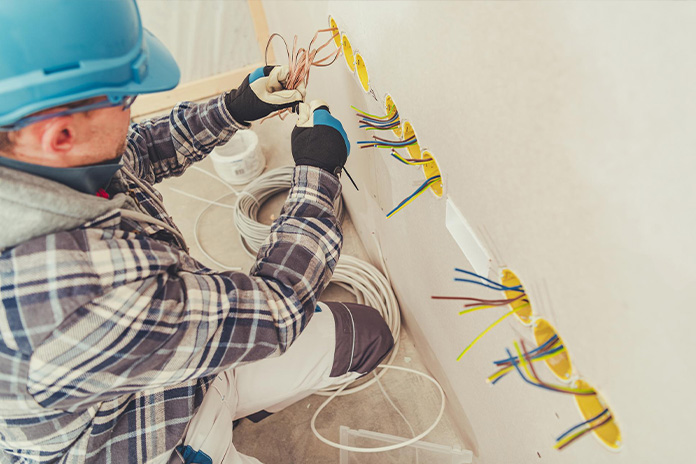
- Evaluating Wiring and Connections
All accessible wiring, junction boxes, and connections are checked for signs of damage, loose connections, or outdated materials such as knob-and-tube wiring.
- Testing Outlets and Switches
Electricians use specialized tools to test outlets and switches for proper grounding, voltage levels, and potential fire hazards.
- Inspecting Grounding Systems
Proper grounding is essential for preventing electric shocks. The electrician will check grounding rods and bonding conductors to ensure they are intact.
- Assessing GFCI and AFCI Protection
Ground Fault Circuit Interrupters (GFCIs) and Arc Fault Circuit Interrupters (AFCIs) are essential for preventing shocks and fires. The inspector will verify that these safety devices are functioning correctly.
- Identifying Overloaded Circuits
Overloaded circuits can lead to overheating and fires. The electrician will check if the home’s electrical load is evenly distributed.
The Cost of Electrical Inspections and Potential Savings
The cost of an electrical inspection varies based on the size of the home, location, and the complexity of the system. On average, homeowners can expect to pay between $150 and $500 for a professional inspection.
While this may seem like an added expense, it pales in comparison to the potential costs of neglecting electrical issues:
- Fire damage repairs: Electrical fires can cause thousands of dollars in property damage.
- Replacing damaged appliances: Power surges and faulty wiring can ruin expensive electronics and appliances.
- Higher energy bills: Inefficient electrical systems can increase energy consumption.
By identifying and addressing minor issues early, homeowners can save money in the long run.

DIY Electrical Inspections vs. Professional Inspections
While homeowners can perform basic electrical safety checks, professional inspections are necessary for a thorough assessment.
DIY Electrical Safety Tips:
- Regularly check outlets and switches for discoloration or unusual heat.
- Test smoke detectors and carbon monoxide alarms monthly.
- Replace damaged cords and avoid overloading outlets.
- Use surge protectors to safeguard electronics.
Why Hire a Professional?
Licensed electricians have the expertise and tools to detect hidden issues that a homeowner might miss. They also ensure compliance with safety regulations, reducing liability risks.
Conclusion
Regular electrical inspection is essential for ensuring home safety, preventing fires, reducing energy waste, and protecting valuable appliances. Homeowners should schedule inspections periodically, especially before purchasing a home, after major renovations, or if they notice warning signs of electrical issues.
Investing in a professional electrical inspection is a proactive step toward safeguarding your home, family, and finances. If you haven’t had an inspection recently, now is the time to schedule one—before minor issues turn into costly, dangerous problems.
If you’re considering any of these electrical upgrades in Edmonton contact us today!
Leave A Comment