24/7 Phone Services
Mon - Sat 8:00 - 17:30, Sunday

-
-
Visit Our Place
Alberta 11209, Canada
Preloader Close

Common Electrical Distribution Problems & How to Solve Them
A reliable electrical distribution system is the backbone of any modern building, whether it’s a bustling commercial complex, a high-output industrial plant, or even a large residential property. When this system falters, the consequences can range from minor inconveniences to significant operational downtime, costly equipment damage, and serious safety risks. Understanding the common problems that plague these systems and knowing how to address them is crucial for electricians and facility managers tasked with ensuring smooth and safe operations. This article dives into the most frequent electrical distribution challenges, their causes, and effective solutions to keep the power flowing reliably.
Key Takeaways:
- System Reliability is Crucial: A stable electrical distribution system is vital for safety, efficiency, and preventing downtime in any facility.
- Common Problems: Issues like power flickering, voltage drops, tripping breakers, uneven power, and panel overheating are common indicators of distribution system problems.
- Diagnosis is Key: Systematic diagnosis, including visual inspections, load balancing checks, and thermal imaging, helps pinpoint root causes.
- Actionable Solutions: Improving efficiency involves load balancing, upgrading components, using energy-efficient equipment, and installing protective devices.
- Safety First: Regular maintenance, adherence to safety protocols like LOTO, and proper labeling are essential for safe system management.
Professional Help: Complex issues or signs of significant system failure warrant immediate consultation with a certified professional electrician.
What Is Electrical Distribution and Why It Matters
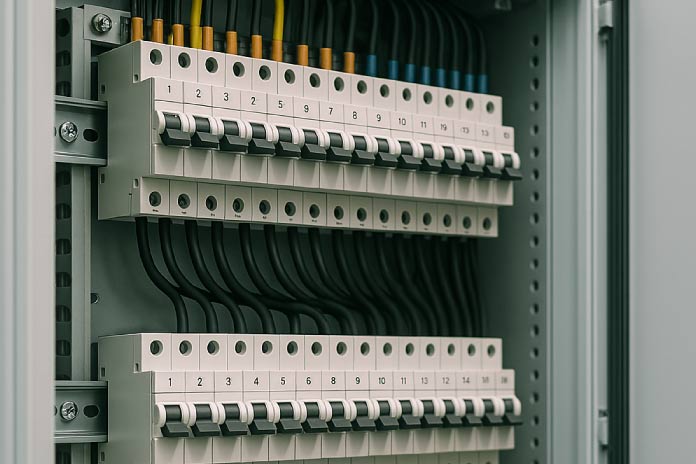
At its core, an electrical distribution system is the network that takes electrical power from the main utility service entry point (often a transformer or main switchgear) and delivers it safely and efficiently to all the various loads throughout a building. Think of it as the arteries and veins of a facility, channeling electricity from the main service panel through feeders and branch circuits to lights, machinery, HVAC systems, and all other electrical equipment.
The primary role of this system is not just to deliver power, but to do so reliably and safely. Proper distribution efficiency ensures that equipment receives the correct voltage, minimizing energy waste and preventing damage. A well-designed and maintained system protects against overloads, short circuits, and ground faults, which are critical for preventing electrical fires and ensuring personnel safety. For facility managers, understanding the electrical distribution system is key to operational continuity, energy management, and risk mitigation.
Common Electrical Distribution Problems (and Their Causes)
Even well-designed electrical distribution systems can develop problems over time due to aging components, changes in load, environmental factors, or improper modifications. Recognizing the symptoms early can save significant time, money, and prevent potential hazards. Here are some of the most common issues electricians and facility managers encounter:
Frequent Power Flickering or Outages
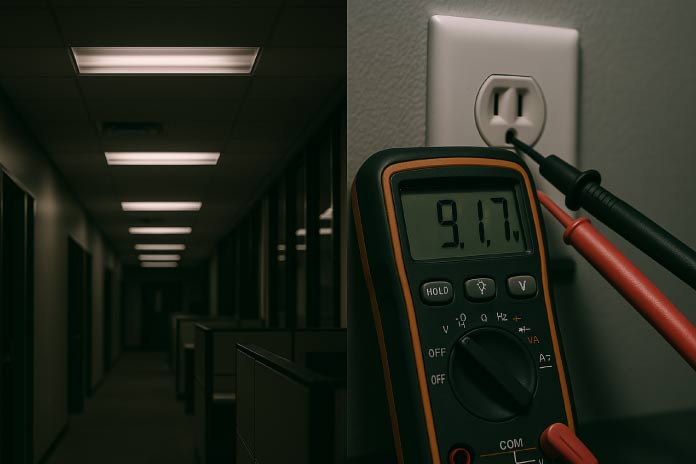
One of the most noticeable and disruptive issues is flickering lights or intermittent power outages affecting parts or all of a facility. This often points to instability within the electrical distribution network.
- Causes:
- Overloaded Circuits: The most common culprit. When too many devices or high-power machinery draw current from a single circuit, it exceeds the circuit’s capacity, leading to voltage drops (seen as flickering) or the breaker tripping.
- Loose Wiring or Connections: Terminations in panels, junction boxes, or at equipment can loosen over time due to vibration, thermal cycling, or improper installation. This creates high resistance points, leading to arcing, heat, and intermittent power.
- Failing Circuit Breakers: Breakers themselves can wear out or become faulty, tripping at lower currents than their rating or causing intermittent connections.
- Utility-Side Issues: Sometimes the problem originates from the utility provider, especially if neighboring facilities are also affected.
- Heavy Load Start-up: Large motors or machinery starting up can cause temporary voltage dips, resulting in flickering.
This directly relates to the common user query: “Why does my power keep flickering?”
Voltage Drops and Fluctuations
Stable voltage is critical for the proper functioning and longevity of electrical equipment. Significant voltage drops in electrical distribution or wild fluctuations can cause equipment to malfunction, underperform, or even suffer permanent damage.
- Causes:
- Long Circuit Runs: Voltage naturally drops over long distances of wire. If conductors are undersized for the length of the run and the load they carry, the voltage at the point of use can be significantly lower than at the source.
- Undersized Conductors: Wiring that is too small for the current it’s carrying will have higher resistance, leading to increased voltage drop and potential overheating.
- Aging or Damaged Conductors: Corrosion or physical damage to conductors can increase resistance.
- Excessive Load on the System: If the overall demand on a transformer or main panel is close to or exceeds its capacity, voltage can sag across the entire system.
- Unbalanced Loads: In three-phase systems, if one phase is significantly more loaded than others, it can lead to voltage imbalances and drops.
Constantly Tripping Circuit Breakers
Circuit breakers are safety devices designed to protect circuits from overcurrent conditions. While an occasional trip might be due to a temporary overload, constantly tripping breakers signal a persistent underlying problem.
- Causes:
- Overloaded Circuits: As mentioned with flickering, a circuit consistently drawing more current than its breaker is rated for will cause repeated tripping. This often happens when new equipment is added to existing circuits without proper load calculation.
- Short Circuits: This occurs when a hot wire comes into direct contact with a neutral wire or a ground wire. This creates a very low resistance path, causing a massive surge of current that should immediately trip the breaker.
- Ground Faults: Similar to a short circuit, a ground fault happens when a hot wire contacts a grounded part of an enclosure or equipment. This is a serious safety hazard.
- Faulty Breaker: The breaker itself might be old, damaged, or defective, causing it to trip unnecessarily.
- Appliance/Equipment Malfunction: A failing motor or a short within a piece of connected equipment can draw excessive current.
This addresses the common question: “Why is my circuit breaker tripping constantly?”
Uneven Power Distribution
In some facilities, particularly larger ones or those with three-phase power, certain areas might experience issues like dim lights or underperforming equipment, while others seem fine. This points to uneven power distribution.
- Causes:
- Phase Imbalance (Three-Phase Systems): If loads are not distributed evenly across the three phases, one or two phases can become overloaded while the other(s) are underutilized. This leads to voltage imbalances and can strain transformers and motors.
- Poor Panel Loading: Even in single-phase systems, if circuits within a panel are not balanced, it can lead to overloading of the panel’s busbars or the main breaker.
- Incorrect Wiring: Faulty wiring or incorrect connections can prevent certain circuits or areas from receiving adequate power.
While the original query mentioned “house,” this advice is scalable: “How to fix uneven power distribution?” The core principles apply to larger facilities too.
Heat or Noise From Electrical Panels
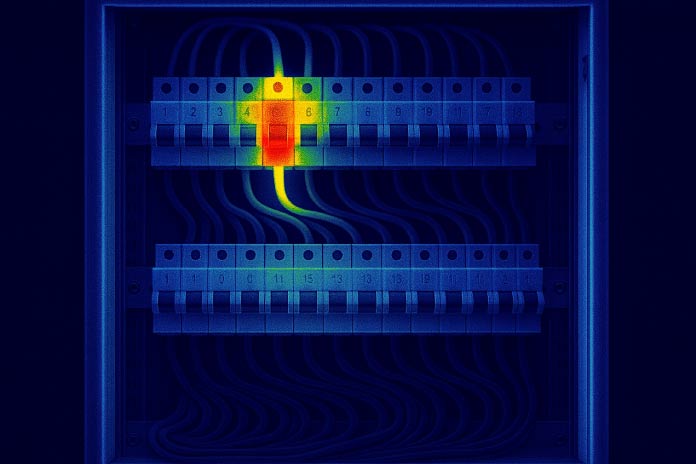
Electrical panels (distribution boards, breaker panels) should generally operate coolly and quietly. Noticeable heat or unusual noises like buzzing, sizzling, or crackling are serious warning signs of a failing electrical distribution system.
- Causes:
- Loose Connections: Loose wire terminations are a primary cause of heat. The high resistance at the loose point generates heat as current flows through it.
- Overloaded Circuits/Breakers: Breakers carrying too much current can become warm or hot to the touch.
- Failing Breakers: A breaker that is internally arcing or failing can generate heat and noise.
- Harmonics: In facilities with many non-linear loads (like VFDs, computers, LED lighting), harmonic currents can cause transformers and panelboards to overheat and buzz.
- Corrosion: Corroded connections increase resistance and generate heat.
How to Diagnose a Failing Electrical Distribution System
Identifying the root cause of electrical distribution problems requires a systematic approach. Here are practical diagnostic steps for electricians and facility managers:
- Visual Inspection: Regularly inspect panels, switchgear, transformers, and visible wiring. Look for signs of overheating (discoloration, melted insulation), corrosion, loose connections, physical damage, or an acrid smell. Ensure proper labeling of circuits.
- Listen for Unusual Noises: Buzzing, sizzling, or humming sounds from panels or transformers can indicate loose connections, overloading, or failing components.
- Check Load Balance: For three-phase systems, use a clamp meter to measure current on each phase at the main panel and sub-panels. Significant imbalances need to be corrected. Even for single-phase panels, ensure loads are reasonably distributed.
- Voltage Checks: Measure voltage at various points: main service, sub-panels, and at affected equipment. Compare readings to nominal voltage and check for significant drops under load.
- Thermal Imaging (Infrared Thermography): This is one of the most effective ways to find hidden problems. A thermal camera can detect hot spots caused by loose connections, overloaded circuits, or failing components before they lead to a major failure. This is a key technique for identifying signs of a failing electrical distribution system proactively.
- Circuit Breaker Tripping Investigation: If a breaker trips, don’t just reset it. Investigate the cause. Was new equipment added? Is there a pattern? Use a clamp meter to check the actual current draw on the circuit.
- Review System Documentation: Check electrical drawings and panel schedules. Have there been undocumented changes or additions to the system that might be causing issues?
- Consult Equipment Manuals: If a problem seems tied to specific machinery, its manual might offer clues about its power requirements or common electrical sensitivities.
Read more: A Complete Guide to Power Distribution: Key Components to consider
How to Improve Electrical Distribution Efficiency
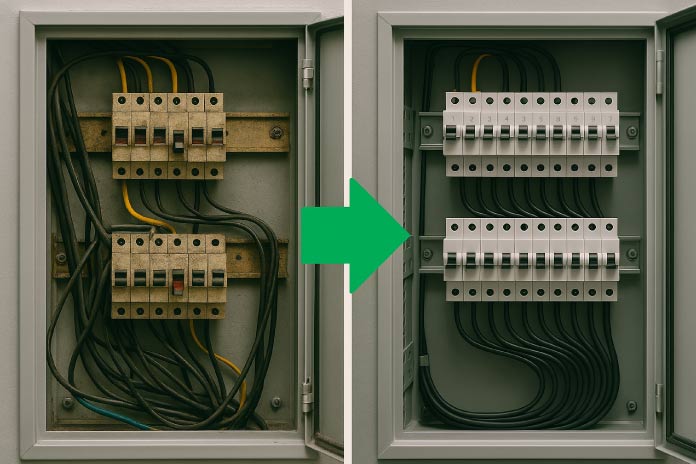
Once problems are diagnosed, or as part of proactive maintenance, several strategies can be implemented to enhance the reliability and efficiency of your electrical distribution system. The goal is to ensure consistent power quality and minimize energy losses.
- Balancing Electrical Loads:
- For three-phase systems, redistribute single-phase loads among the phases to achieve better balance. This reduces stress on transformers and neutral conductors and can improve voltage stability.
- In single-phase panels, try to distribute high-demand circuits across different legs/buses.
- Upgrading Old Panels or Breakers:
- Replace outdated or failing panels and circuit breakers. Modern components offer better protection and reliability. Consider upgrading to breakers with advanced diagnostic features if appropriate for the facility.
- Using Energy-Efficient Equipment:
- When replacing or adding machinery, lighting, or HVAC systems, opt for energy-efficient models. These draw less current for the same output, reducing overall load on the distribution system.
- Installing Surge Protectors and Voltage Regulators:
- Surge Protective Devices (SPDs): Install SPDs at the main service entrance and on critical sub-panels to protect sensitive equipment from voltage spikes caused by lightning or utility switching.
- Voltage Regulators/Conditioners: For equipment highly sensitive to voltage fluctuations, a dedicated voltage regulator or power conditioner can ensure a stable power supply.
- Conductor and Connection Maintenance:
- Periodically inspect and tighten electrical connections (following proper safety and de-energization procedures).
- Replace damaged or undersized conductors to reduce power loss in distribution and improve voltage.
- Power Factor Correction:
- In industrial facilities with many inductive loads (motors), improving the power factor with capacitor banks can reduce current demand on the system, freeing up capacity and reducing energy losses.
Implementing these steps will directly help with how to improve electrical distribution efficiency and reduce power loss.
Safety Tips for Managing Electrical Distribution Systems
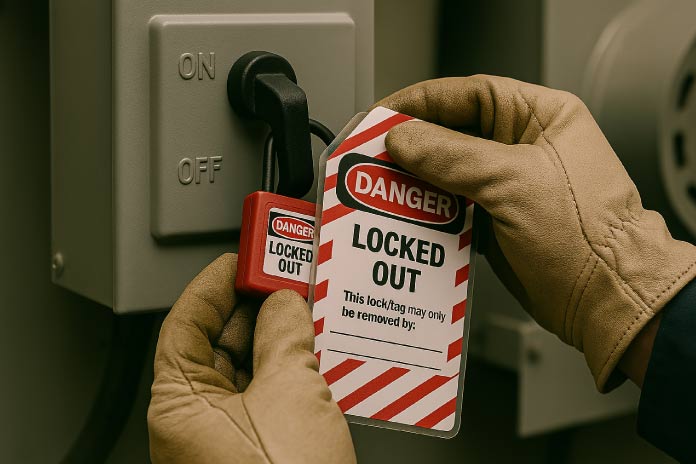
Working with or managing electrical distribution systems carries inherent risks. Adhering to strict safety protocols is non-negotiable.
- Regular Inspections and Maintenance: Schedule and perform routine checks as outlined in the diagnostics section. Proactive maintenance is key to preventing failures and ensuring safety.
- Lockout/Tagout (LOTO) Procedures: Always implement LOTO procedures before performing any work on electrical equipment. This ensures circuits are de-energized and cannot be accidentally re-energized.
- Proper Labeling: Ensure all panels, circuits, and disconnects are clearly and accurately labeled. This is crucial for safe operation, troubleshooting, and emergency response.
- Use Appropriate Personal Protective Equipment (PPE): Always use an appropriate level of PPE when working on or near energized equipment. This includes insulated gloves, face shields, arc-flash rated clothing, etc., as determined by a risk assessment.
- Qualified Personnel Only: Only trained and qualified electricians should perform installation, modification, or repair work on electrical distribution systems.
- Maintain Clear Access: Keep the area around electrical panels, switchgear, and transformers clear of obstructions. This ensures easy access for maintenance and emergencies.
- Understand Arc Flash Hazards: Be aware of arc flash risks and ensure appropriate arc flash studies have been conducted for the facility, with mitigation measures in place.
- Emergency Preparedness: Have an emergency plan in place for electrical incidents, including knowing how to shut off power in an emergency and having appropriate fire extinguishers (Class C) readily available.
These electrical distribution safety tips are fundamental for protecting personnel and property.
When to Call a Professional Electrician
While facility managers and on-site maintenance staff can handle some basic checks and minor issues, many electrical distribution problems require the expertise of a licensed, professional electrician, especially one experienced with commercial or industrial systems.
Call a professional when:
- You experience frequent or widespread outages/flickering that basic troubleshooting doesn’t resolve.
- Breakers trip repeatedly, and the cause isn’t immediately obvious (like a simple overload from a known appliance).
- You notice signs of overheating in panels (hot to the touch, burning smells, discoloration).
- You hear buzzing, sizzling, or arcing sounds from electrical equipment.
- Major upgrades or system modifications are needed (e.g., panel replacement, service upgrade, new machinery installation).
- You suspect significant signs of a failing electrical distribution system that are beyond your team’s diagnostic capabilities.
- An arc flash study or comprehensive system safety audit is required.
- You are unsure about any electrical issue. It’s always better to be safe and consult an expert.
A qualified professional can perform in-depth diagnostics, ensure repairs and installations are code-compliant, and help prevent future problems.
For facility managers, understanding the electrical distribution system is key to operational continuity, energy management, and risk mitigation; for a deeper dive into the subject from another expert perspective, you might find these important notes on electric power distribution particularly insightful.
Final Thoughts
A robust and well-maintained electrical distribution system is not a luxury; it’s a fundamental necessity for the safety, efficiency, and productivity of any facility. By understanding the common problems, knowing how to spot warning signs, implementing effective solutions, and prioritizing safety, electricians and facility managers can significantly reduce the risk of disruptions and hazards.
Regular monitoring, proactive maintenance, and knowing when to call in expert help are key. Don’t underestimate the importance of your electrical infrastructure. Consult a certified electrician to ensure your system runs reliably and safely for years to come.
Leave A Comment