24/7 Phone Services
Mon - Sat 8:00 - 17:30, Sunday

-
-
Visit Our Place
Alberta 11209, Canada
Preloader Close

Electricity is the invisible “magic” that powers our homes, but for a child, it is also a hidden danger. Every year, thousands of children are treated in emergency rooms for electrical shocks and burns—incidents that are almost entirely preventable.
As a parent, you childproof sharp corners and lock away chemicals, but electrical hazards often go unnoticed until it’s too late. Children are naturally curious; they see you plugging in phones and turning on lights, and they want to imitate you. Unfortunately, they don’t understand the power behind the outlet.
This guide provides a dual approach to safety: Physical Prevention (making your home safe) and Education (teaching your children to be safe). Whether you are raising toddlers in a new build or a family in an older home, these are the essential steps to protect your most valuable residents.
The Essential Electrical Safety Rules Every Child Must Know
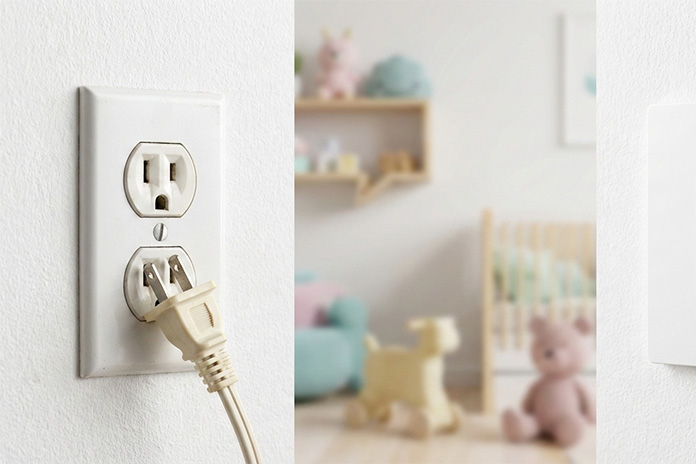
Teaching electrical safety tips for children shouldn’t be scary—it should be empowering. Start early with these five non-negotiable rules.
Rule 1: Outlets Are for Plugs, Not Fingers or Toys
This is the “Golden Rule” of electrical safety. Explain that outlets are like “mouths” that only eat plugs. Nothing else—forks, fingers, pencils, or toys—should ever go inside.
Rule 2: Keep All Electronics Away from Water
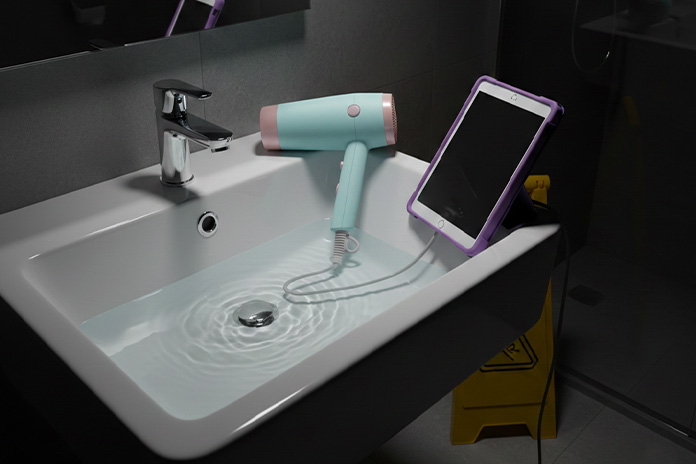
Water and electricity are a deadly combination. Teach children that if they are wet—whether they just washed their hands or are standing in a puddle—they must not touch light switches, tablets, or plugs. This rule applies everywhere, from the bathroom sink to the outdoor pool.
Rule 3: Never Pull a Plug by the Cord
It is tempting to yank a cord from across the room, but this can damage the internal wiring or the outlet itself, creating a shock or fire hazard. Teach kids to hold the plug head firmly and pull straight out.
Rule 4: Ask an Adult for Help with Electronics
If a toy gets stuck behind the TV or a toast gets stuck in the toaster, the rule is simple: Stop and get a grown-up. Children should never try to pry objects out of electrical appliances.
Rule 5: Stay Far Away from Power Lines & Substations
Outdoor electrical equipment carries voltage thousands of times higher than what is in your home. Make sure your children know to never climb trees near power lines and to stay away from the green metal boxes (transformers) often found in yards or parks.
How to Childproof Your Home: An Electrician’s Room-by-Room Checklist
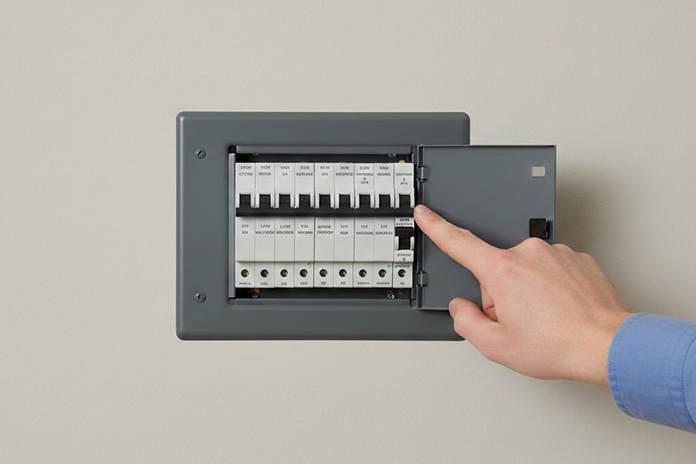
Education is critical, but you cannot rely on a toddler’s memory. You must physically secure the environment. Here is how to tackle childproofing electrical outlets and hazards effectively.
Outlet Safety: The 1 Priority
Many parents rely on those cheap plastic outlet plugs. Here is the professional reality: they are often ineffective. Determined toddlers can pry them off in seconds, and they become immediate choking hazards.
The Solution: Tamper-Resistant Receptacles (TRRs) The safest, code-compliant solution is to install Tamper-Resistant Receptacles (TRRs). These look like standard outlets but have internal shutters that only open when two prongs press simultaneously (like a plug). A child inserting a single object, like a key or paperclip, is blocked.
- Pro Tip: If you are building or renovating, TRRs are now required by electrical code in most areas, including Canada.
Cord Management: Taming the Tangled Hazards
Electrical hazards for toddlers often lie on the floor. Long cords are tripping hazards, strangulation risks, and chew toys for teething babies.
- Shorten the slack: Use zip ties or Velcro straps to bundle excess cord length.
- Hide the run: Use on-wall cord concealers (raceways) to hide wires running to lamps or TVs.
- Inspect regularly: If you see a cord that is frayed, cracked, or wrapped in electrical tape, throw it away immediately. It is not worth the risk.
Kitchen & Bathroom: High-Risk Zone Strategies
These wet zones require extra vigilance.
- Unplug when idle: Toasters, blenders, and hairdryers should be unplugged and stored out of reach when not in use.
- GFCI Protection: Ensure all outlets near water sources are Ground Fault Circuit Interrupter (GFCI) protected. These outlets detect imbalances in current and shut off power in milliseconds to prevent fatal shocks.
Living Areas & Bedrooms: Hidden Dangers
- Power Strips: Avoid using power strips in a child’s room if possible. If you must, mount them behind furniture or use a strip cover that prevents plugs from being pulled out.
- Bulb Safety: Ensure floor lamps are stable and cannot be easily knocked over. Use LED bulbs, which run cool to the touch, preventing burns if curious fingers get too close.
Special Focus: Making an Older Home Safer for Kids
If you live in an older property (common in established neighborhoods in Edmonton and across Canada), you face unique risks.
- Ungrounded Outlets: Two-prong outlets do not provide a path for stray current to escape safely.
- Knob and Tube / Aluminum Wiring: These outdated systems increase fire risk and often lack the capacity for modern electronics.
- The Fix: You cannot childproof a system that is inherently unsafe. If your home is 40+ years old, a professional electrical safety inspection is the only way to ensure the wiring behind the walls is safe for your family.
Read More: 10 Ways to Lower Your Electric Bill
Outdoor Electrical Safety: Beyond the Backyard Fence
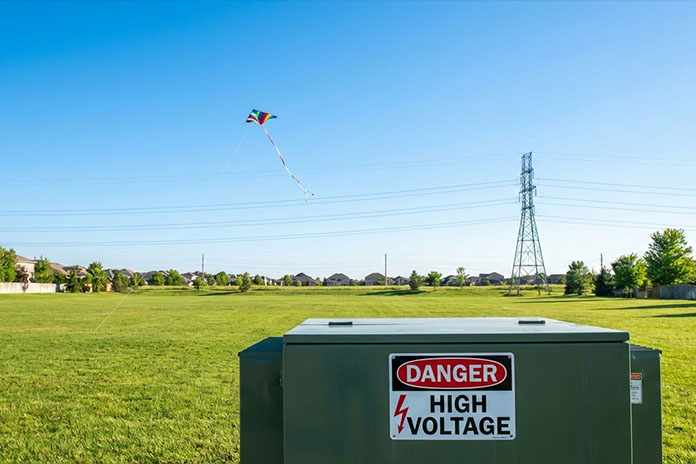
Storm safety for kids and outdoor awareness are vital parts of their education.
Power Lines & Substations: The “Never Go Near” Rule
Teach children that power lines are not jumping ropes or balance beams. If a ball goes over a substation fence, they must never try to retrieve it. Call the utility company instead.
Storm & Lightning Safety: What to Do and Where to Go
- The 30/30 Rule: If you see lightning, count to 30. If you hear thunder before you reach 30, go indoors. Wait 30 minutes after the last clap of thunder before going back out.
- Safe Zones: A house or a hard-topped car are safe. Pavilions, dugouts, and trees are NOT safe during a storm.
Garden & Yard Equipment: Teaching Respect for Tools
Electric lawnmowers and trimmers are not toys. Store batteries separately and keep extension cords for outdoor tools coiled and hung high up in the garage.
Emergency Preparedness: What to Do If the Worst Happens
Panic is the enemy in an emergency. Knowing exactly what to do can save a life.
First Aid for Electric Shock: A Step-by-Step Guide
- Do NOT Touch the Child: If they are still in contact with the source, the electricity can travel through them to you.
- Break the Connection: Turn off the power at the circuit breaker immediately. If that’s not possible, use a non-conductive object (like a wooden broom handle) to push the source away from the child.
- Call 911: Always seek professional medical help after an electric shock, even if the child seems fine. Internal injuries may not be visible.
- CPR: If the child is unresponsive and not breathing, begin CPR immediately if you are trained to do so.
If a Child Sticks Something in an Outlet
- Do not pull the object out with your bare hands.
- Shut off the main breaker to the house.
- Once the power is confirmed off, remove the object and inspect the child for burns on their hands.
Smelling Smoke or Seeing Sparks
If an outlet sparks or smells like burning plastic, it is an immediate fire hazard. Evacuate the family to your meeting spot and call the fire department or an emergency electrician.
Read More: How to Install a Light Fixture Safely: A Step-by-Step Guide
How to Talk to Kids About Electricity: Age-Appropriate Education

Toddlers (1-3): Simple “No” and Redirection
At this age, explanations don’t work. Use a firm “No” and physically move them away. Consistency is key.
Preschoolers (4-5): Basic Rules & “Why”
Explain that electricity runs inside wires like “invisible fast cars.” If the cars get out (via a broken cord or outlet), they can hurt us.
School-Age (6+): Simple Science & More Responsibility
Teach them how electricity works. Explain that water and metal are “conductors” that help electricity travel, which is why we keep them apart.
Fun Learning Tools: Games, Videos & Free Resources
- ESFI Kids’ Corner: The Electrical Safety Foundation International offers incredible free videos and interactive games designed specifically for children.
- Sparky.org: The official website of the National Fire Protection Association’s mascot, Sparky the Fire Dog. It features ad-free cartoons and apps to teach fire and electrical safety.
- Local Utility Resources: Many providers (like EPCOR or Hydro One) offer localized safety activity books.
Read More: Your Ultimate Guide to Hiring a Skilled Master Electrician
Conclusion: Layered Protection for Peace of Mind
Protecting your children from electrical hazards requires a layered approach: enforcing the rules, educating their young minds, and physically securing your home’s infrastructure.
While these tips create a safer environment, the foundation of your home’s electrical system is paramount. For true peace of mind, especially in older homes, a professional electrical safety inspection by a licensed electrician can identify hidden hazards like faulty wiring, overloaded circuits, or outdated panels. Protect your family from the inside out.
Frequently Asked Questions (FAQ)
What are the best outlet covers for kids? Skip the plastic plugs. The best “cover” is actually a replacement: Tamper-Resistant Receptacles (TRRs). They are permanent, safer, and don’t pose a choking hazard.
At what age should I start teaching electrical safety? Start as soon as they are mobile (crawling). While they won’t understand the words, they will begin to understand boundaries. Formal teaching can begin around age 3.
What should I do if my child is obsessed with outlets and cords? Block access with heavy furniture where possible. For accessible outlets, install TRRs. Distract and redirect with toys that have similar mechanical inputs (like shape sorters) to satisfy their curiosity safely.
Are power strips in kids’ bedrooms safe? Only if they are high-quality strips with internal surge protection and are kept out of reach. Avoid overloading them with gaming consoles and chargers.
How can I tell if my home’s wiring is safe for my family? Look for warning signs: flickering lights, warm outlets, burning smells, or two-prong outlets. However, the only way to be 100% sure is to hire a licensed electrician for a safety audit.
Leave A Comment