24/7 Phone Services
Mon - Sat 8:00 - 17:30, Sunday

-
-
Visit Our Place
Alberta 11209, Canada
Preloader Close

Introduction
The automotive and home energy landscapes across Canada are undergoing an unprecedented, historic transition. As electric vehicle (EV) adoption continues to accelerate nationwide—driven by environmental awareness, technological advancements, and rising fuel costs—hundreds of thousands of homeowners are making the switch to electric mobility.
However, many new EV owners quickly discover a major obstacle: standard household wall outlets are simply too slow to meet daily driving demands. Combining a professional Level 2 home EV charger installation with integrated smart home electrical automation transforms your property into a modern, energy-efficient powerhouse.
This comprehensive guide covers everything you need to know about preparing your home for an electric vehicle, evaluating your panel capacity, choosing the right charging hardware, and maximizing energy savings through smart electrical controls.
EV Charging Levels Explained: Why Level 2 Is Essential
Understanding the fundamental differences between the levels of electric vehicle charging is critical for setting up an efficient home charging routine.

The Limitations of Level 1 Charging
Level 1 charging utilizes the standard 120-volt household outlet that comes with most portable vehicle cords. While functional for occasional, low-mileage emergency top-ups, it delivers only 4 to 8 kilometers of range per charging hour.
In cold Canadian winters—where low temperatures naturally decrease battery efficiency and increase energy draw for cabin heating—Level 1 charging often fails to replenish a daily commute overnight.
The Power and Speed of Level 2 Home Charging
A Level 2 charging station operates on a dedicated 240-volt circuit, similar to the heavy-duty power hookups used for electric clothes dryers, ovens, or hot tubs. Delivering anywhere from 32 to 48 amps of continuous power, a Level 2 charger safely replenishes an EV battery fully overnight in just 4 to 8 hours, ensuring your vehicle is always ready for the day ahead.
Critical Steps for a Safe, Code-Compliant EV Charger Installation
Installing a high-voltage Level 2 charger is a complex electrical project that requires careful planning, load calculations, and expert installation by a licensed electrician in full compliance with the Canadian Electrical Code (CEC).
Step 1: Performing a Main Electrical Service Load Calculation
Before purchasing or installing charging hardware, a licensed electrician must perform a precise load calculation on your home’s existing electrical panel.
-
100-Amp Panels: Older 100-amp service panels may already operate near full capacity. Adding a heavy continuous 40-amp or 50-amp load may require a service upgrade to 200 amps or the installation of an smart energy management device.
-
200-Amp Panels: Modern 200-amp panels generally have sufficient overhead capacity to support a dedicated EV circuit without overloading the system.
Step 2: Selecting Hardwired vs. Plug-In Installation
When installing a Level 2 charger (such as a ChargePoint, Tesla Wall Connector, or Grizzl-E), homeowners must choose between two primary connection methods:
1. Hardwired Connection
The charging unit is connected directly to the electrical junction box without a wall plug.
-
Pros: Supports maximum charging speeds (up to 48A or higher on a 60A breaker), provides superior weather sealing for outdoor installations, and offers a sleeker appearance.
2. Plug-In Connection (NEMA 14-50 Receptacle)
The charging unit plugs into a heavy-duty 240-volt wall receptacle.
-
Pros: Allows the unit to be easily unplugged and moved if you change homes.
-
Cons: Electrical safety codes cap plug-in charging rates at 40 amps max, and require specialized GFCI breakers that increase installation costs.
Step 3: Energy Management Systems for Panel Capacity Constraints
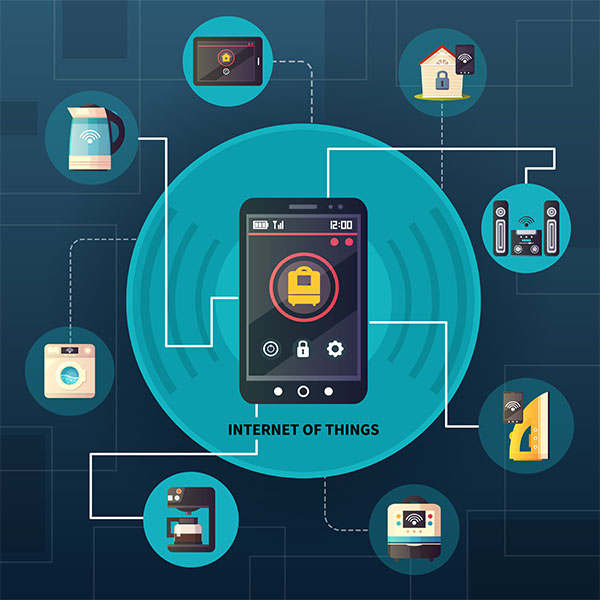
If your panel lacks the headroom for a dedicated EV circuit—and a main service upgrade is not immediately feasible—a Smart Energy Management System (SEMS) can be integrated. This device constantly monitors your home’s total power draw. If high-wattage appliances (like a dryer or oven) turn on simultaneously, the SEMS automatically pauses or throttles the EV charger, resuming full charging speed as soon as power demand drops.
Combining EV Charging with Smart Home Automation
Integrating electric vehicle charging into a broader smart home automation setup unlocks unprecedented energy efficiency, remote management capabilities, and operational convenience.
1. Time-of-Use (TOU) Rate Optimization
Many Canadian utility companies offer Time-of-Use electricity pricing, charging lower rates per kilowatt-hour during off-peak night hours. Smart EV chargers and automated home hubs allow you to set strict charging schedules so your car draws power only when utility prices are at their lowest, saving hundreds of dollars annually on fuel costs.
2. Smart Electrical Panels and Monitoring
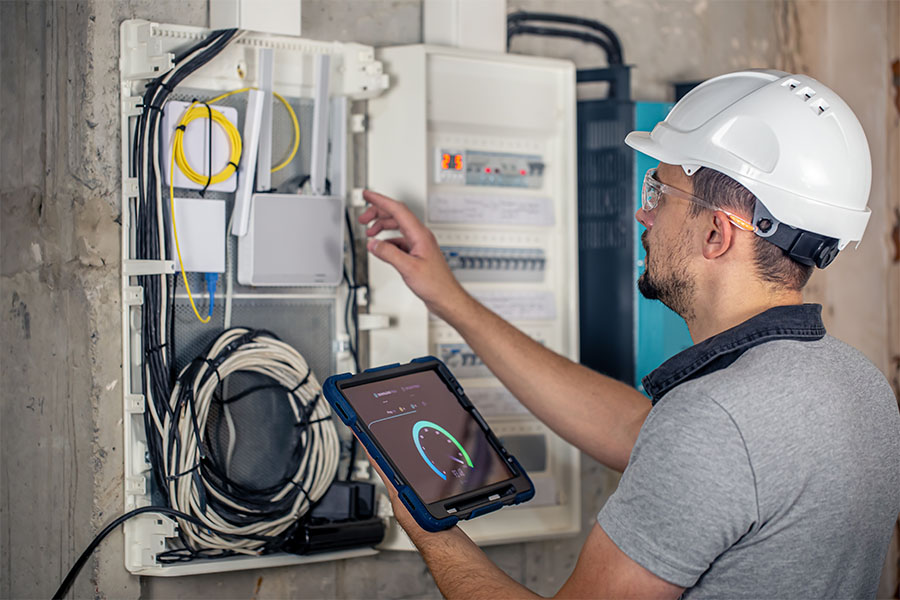
Upgrading to a smart electrical panel transforms standard static circuit breakers into intelligent, app-controlled devices. Smart panels allow you to track real-time power consumption across every room, prioritize essential circuits during power outages, and remotely turn off unnecessary background power draws right from your smartphone.
3. Integrated Smart Lighting and Power Controls
Pairing energy management with smart light switches and automated load controls lets you build custom routines. For instance, program garage lighting to activate automatically when your EV connects to the charger, or schedule whole-home energy-saving modes when you leave for work.
Federal and Provincial EV Incentives in Canada
To encourage zero-emission vehicle adoption, federal, provincial, and municipal government programs across Canada regularly offer financial assistance for clean energy transitions. Depending on your region, you may qualify for rebate programs that cover a significant portion of the purchase price and professional installation costs for eligible Level 2 EV charging stations.
Conclusion: Power Your Home for the Future
Investing in a professional home EV charger installation and modern smart electrical automation is the ultimate way to future-proof your residential property. It provides reliable, rapid vehicle charging, dramatically improves home energy management, and enhances your property’s long-term market value.
Ensure your installation is safe, reliable, and compliant with all local building codes by working with certified, licensed electricians. Contact our expert team today to schedule an electrical assessment and start your journey toward modern energy efficiency!
Leave A Comment